4
Requirement axes on every application brief
0
Food-contact outcome promised from a search term
1
Buyer decision on grade, color and section
3
Factory replies compared on the same list
US measured wording such as fda compliant rubber cord is treated as a document request. The file must name the quoted grade and the lot. A plant FDA poster is not that file. Temperature belongs in °F or °C; “food grade” without a method is not an axis. Shore A / Shore D hardness (durometer) stays on the elastomer line; mixing Shore D plate language onto extruded cord is a mismatch.
Silicone versus fluoroelastomer (FKM) when heat and oil both appear on an fda compliant rubber cord brief
| Axis |
Silicone first |
Fluoroelastomer (FKM) first |
| Typical engineering argument |
Wide temperature window and food-contact material (FCM) files such as FDA 21 CFR 177 when the named grade carries them |
Better resistance in oils, fuels and many solvents where silicone can swell |
| What this desk will not publish |
A desk-owned −60 to +230 °C table or a USP Class VI conclusion for every silicone coil |
A desk-owned 200 °C oil rating or a 5–20× cost multiple as a market fact |
| What the factory must attach |
The current FDA 21 CFR 177 or equivalent page for the quoted lot, plus Shore A and extrusion diameter |
The current oil/fuel method page for the quoted FKM lot, plus compression set (%) if the buyer asked for it |
| When the other side wins |
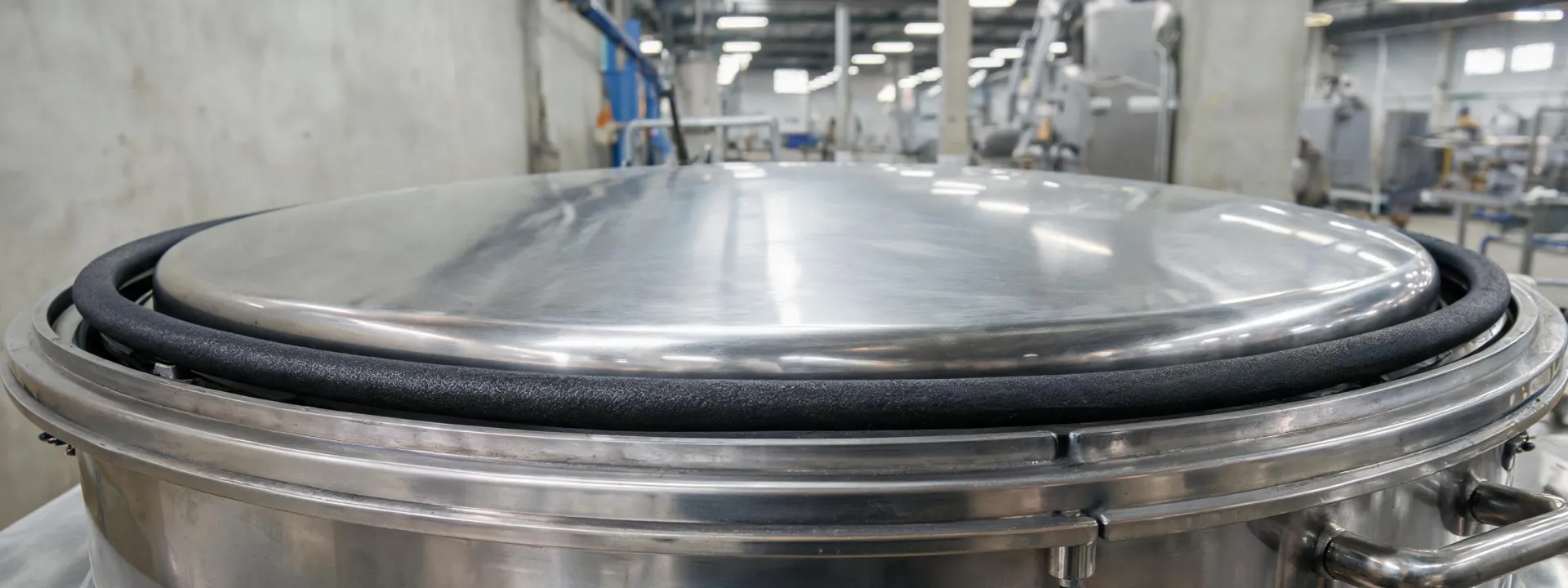
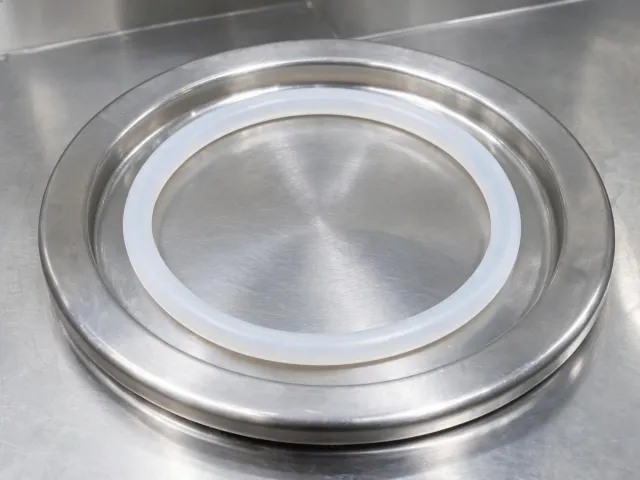
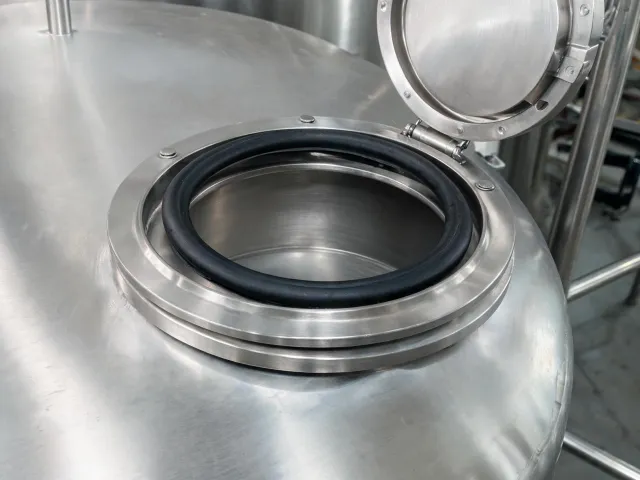
Wash-down, ozone and many lid seals where hydrocarbons are not the medium |
Hydrocarbon splash or solvent contact that a silicone first choice cannot answer in writing |
Neighboring consumer searches — including 18" rubber cord necklace — describe jewelry, not process seals. Those strings are handled as leftover wording on the quote-reading note, not as a page heading on this application brief.
Continue to custom rubber cord options or send the brief. If the receiving plant later asks for a drinking-water or dairy file, that request is a new document name on the same cord line, not a reason to change diameter silently.
Site condition that changes the requirement rather than the price includes a switch from dry packaging air to hot caustic wash, or from ambient storage to a steam-cleaned vessel. Those conditions belong on the brief as media and temperature, not as adjectives on a search string. The buyer still decides whether a silicone compound or an EPDM compound is the starting point; this desk will not convert that choice into a promised leak-free lid.