TDS / SDS library
Ask the plant for the current sheet that names the quoted compound. A company ISO page does not stand in for the cord lot.
| Ask | Compound + ASTM or equivalent |
|---|---|
| Unit | Shore A on the same line |

Independent sourcing partner
Industrial extruded rubber cord for grooves, spliced O-rings and packing — not jewelry necklace stock. Rubber Cord Sourcing finds factories that can quote the same diameter, compound and Shore A line, then compares wholesale answers. We do not extrude, warehouse or publish a price list.
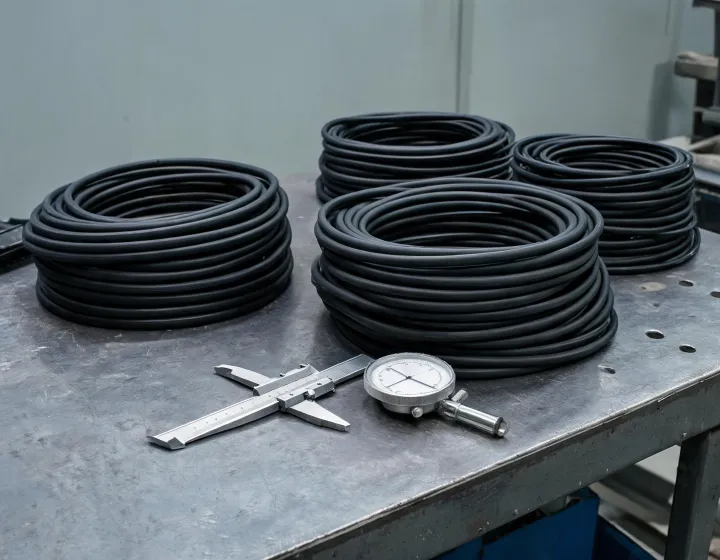
These cards are buyer checklists, not downloadable mill libraries. A TDS, SDS or CAD file belongs to a named factory and a named cord diameter.
Ask the plant for the current sheet that names the quoted compound. A company ISO page does not stand in for the cord lot.
| Ask | Compound + ASTM or equivalent |
|---|---|
| Unit | Shore A on the same line |
Point at nitrile, FKM, silicone, EPDM or a drawing. The buyer still decides hardness and medium. We do not pick a default durometer.
| Oil / fuel | NBR or FKM — factory confirms |
|---|---|
| Steam / weather | EPDM — factory confirms |
Inner/outer diameter or a standard size reference must sit on the request. A jewelry search string is a different good and stays off this invoice.
Open Spec CheckWhich purchasing requirements separate rubber cord from neighbouring rubber strip or O-ring stock? Diameter and cross-section first. A complete factory request has to contain quantity, destination and these rows before plants can answer on the same line.
State the finished diameter, or both width and height for a square section, in inches or millimetres. “Standard cord” is not a size. If the groove is AS568-related, write the dash number and still ask the plant to confirm the extruded diameter they will ship.
Shore A is the elastomer question. Do not mix Shore D plate language onto cord. Leave hardness blank if you do not have it; this desk will not invent 70 Shore A to complete a cell.
Name NBR, FKM, silicone, EPDM or attach a drawing. Ask which ASTM or equivalent method the factory used. Food-contact wording belongs only when a named grade file is requested — see fda compliant rubber cord notes.
Write °F or °C with the fluid or vapor. Continuous service and short contact are different questions. No desk-owned temperature table is published.
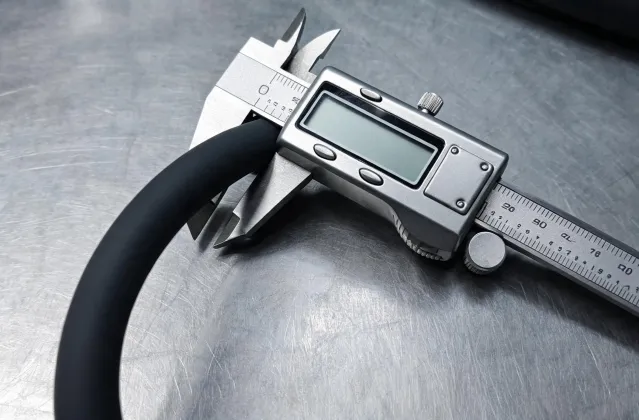
The same diameter, compound, packing and document set go to more than one factory. Each plant fills the axes it can prove. Gaps stay visible instead of being completed from a catalogue default.
Comparison is of packing, Incoterms, sample split and lot files next to the money figure. We do not recast a cheaper-looking number on a different scope as a percentage saving.
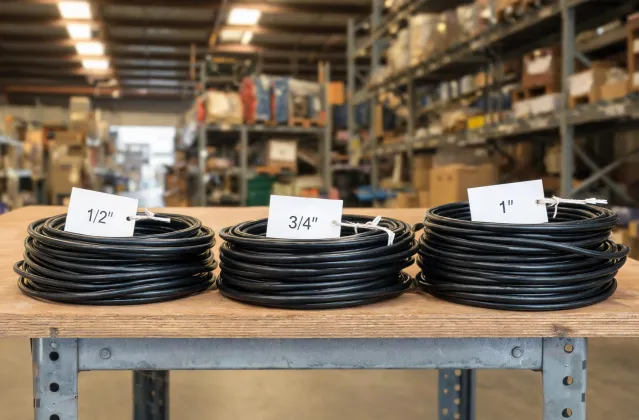
Coils, reels or cut lengths belong next to quantity. Splice kits, adhesive and vulcanizing film stay off the cord line unless the factory writes them into the same configuration.
These names are request fields. They are not Rubber Cord Sourcing badges, authorizations or plant certificates.

Finished diameter or square section for the quoted item, not a family brochure.

The method and condition used for the quoted compound. A plant ISO certificate is not a lot test.

Must name the grade and the lot. This desk does not certify food contact.
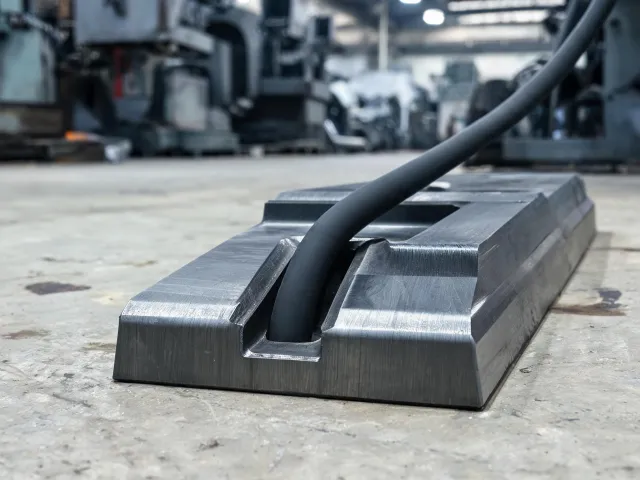
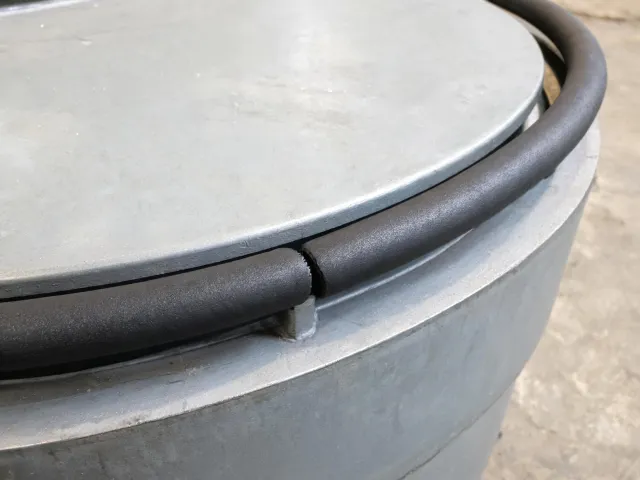
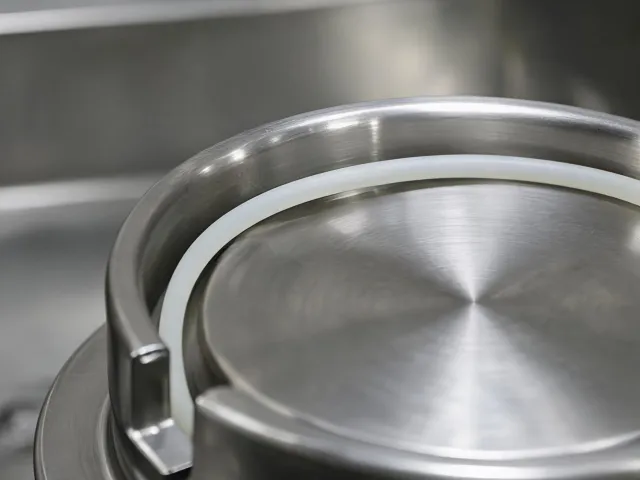
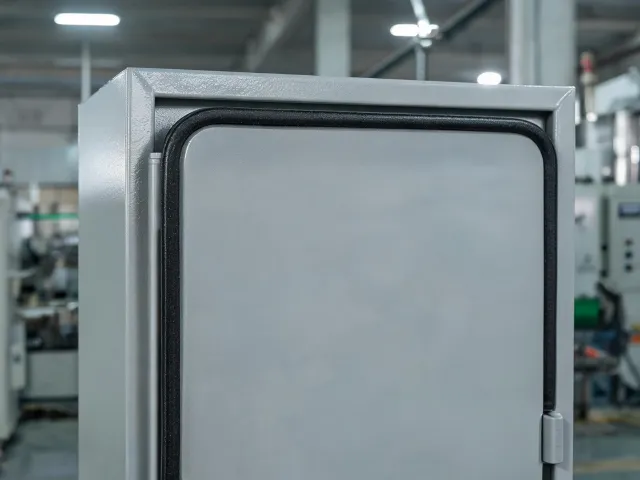
Procurement situation — not a customer testimonial: a buyer sent a photo of black cord and a competitor number. The comparable request still needed diameter, Shore A, compound and destination before two factory numbers could sit on one worksheet.
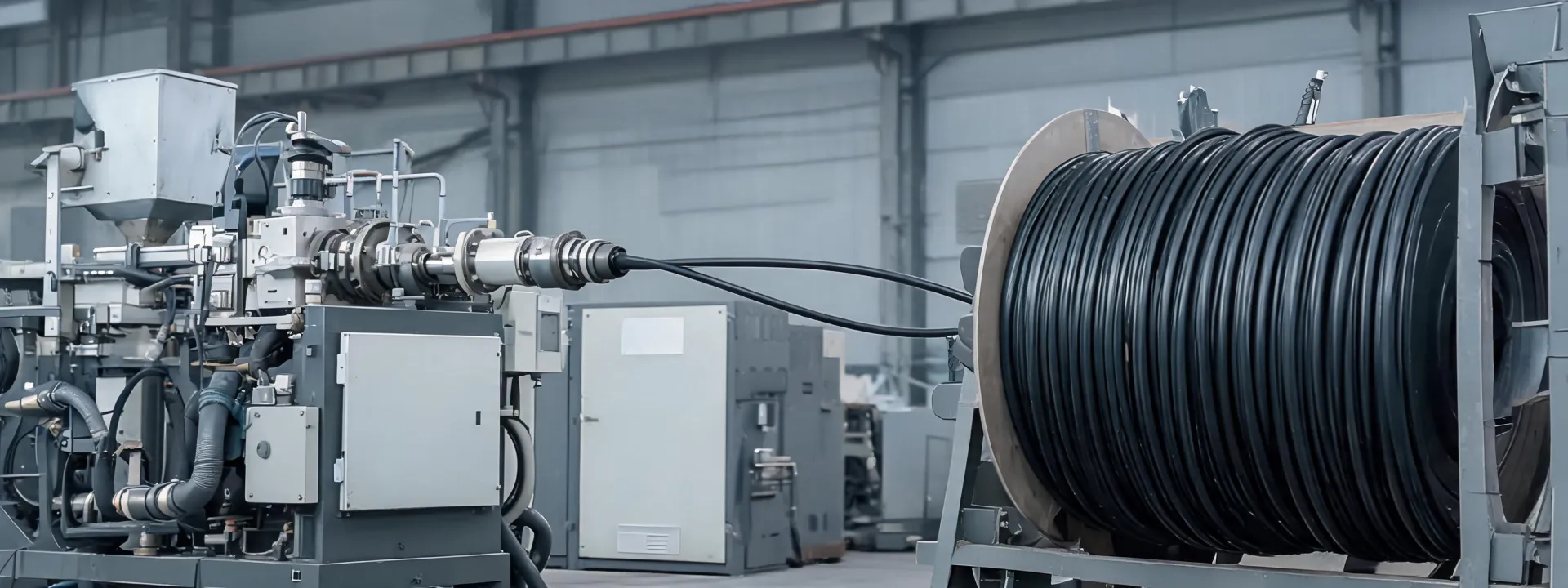
A photo or a competitor number is a starting point. Send quantity and destination with the axes you can name. Missing fields stay blank.
Request Factory Quotes